View:699 Date:2026-04-02
On the afternoon of March 28, 2026, the signing ceremony for the strategic cooperation agreement between Huatai Yongchuang (Beijing) Technology Co., Ltd. and the University of Science and Technology Beijing (USTB), as well as the launch ceremony for the advanced talent training program, were held in the conference room of Huatai’s Anshan office building. This collaboration represents a significant step toward deepening the integration of industry, academia, and research, marking a new phase in the partnership between the two parties in talent development, scientific research, and the commercialization of research outcomes.
The event was attended by university representatives including Zhang Xinxin, former President of USTB, and Zheng Anyang, Deputy Secretary of the Party Committee; corporate leaders including Xu Lie, Chairman of Huatai, and Han Dong, General Manager of Huatai; special guests such as Ma Xibo, Director of the Expert Committee of the China Coking Industry Association (CCIA), and Bai Jinfeng, Professor at Liaoning University of Science and Technology; as well as all trainees of the program. The ceremony was presided over by Shi Xuefeng, Deputy Chief Engineer and Director of the Design and Research Institute of Huatai.
At the ceremony, Huatai General Manager Han Dong delivered the opening remarks, outlining the company’s current development status and the overall plan for the partnership. He noted that as a national high-tech enterprise, Huatai has been deeply rooted in the coking and refractory materials sectors for many years, holding a leading market share in coke dry quenching and smart coking. As a top-tier university in China, the USTB has achieved remarkable results in the fields of energy and environmental engineering. The two parties have previously engaged in in-depth cooperation on projects such as heat-exchange two-stage coke ovens. This strategic cooperation will focus on tackling key technological challenges, such as those related to the resource utilization of flue gas from oxygen-enriched coke ovens, and jointly applying for provincial, ministerial, or higher-level R&D platforms. Meanwhile, through tailored training programs, it aims to enhance both capabilities and academic qualifications of Huatai employees, and cultivate a core talent pool for the enterprise.
Subsequently, Jiang Zeyi, Vice Dean of the School of Energy and Environmental Engineering at USTB, provided an overview of the university and the school, and outlined the progress of the collaboration between the two parties. Over its 74-year history, USTB has been deeply rooted in the fields of metallurgy, materials and energy, with its School of Energy and Environmental Engineering playing a leading role in industrial energy conservation and emission reduction, and its Power Engineering and Engineering Thermophysics recognized as a national-level first-class undergraduate major. In over 20 years of cooperation, the two parties have jointly overcome multiple key technological challenges, including ultra-large-scale dry coke quenching facilities, with results reaching internationally advanced levels. This high-level talent training program is designed for master-level students in Power Engineering and Engineering Thermophysics. The curriculum is tailored to the specific technical needs of Huatai and features a team of high-caliber faculty. After completing the program, trainees are able to obtain a master’s degree on the precondition of passing the national unified examination. The school will also leverage the “One Student, Two Mentors, 100 Enterprises, 1,000 Talents” model to encourage corporate experts to serve as off-campus mentors of its students, thereby fostering two-way talent development and mutual empowerment.
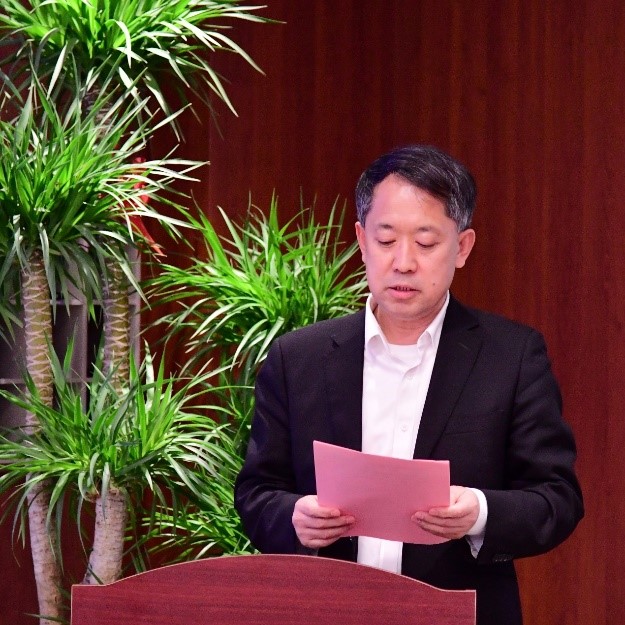
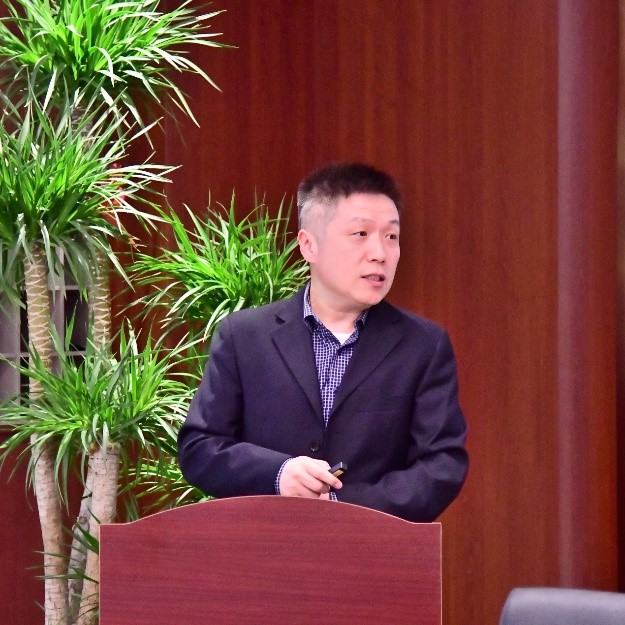
Han Dong, General Manager of Huatai Jiang Zeyi, Vice Dean of the School of Energy and Environmental Engineering, USTB
Ma Xibo, Director of the Expert Committee of CCIA, expressed strong support for this university-industry collaboration in his speech. He noted that the coking industry was currently at a critical juncture amid industrial restructuring, green and low-carbon transformation, and digital transformation, and that high-level talent is the cornerstone of the industry’s development. The talent development model adopted by Huatai and USTB which places classrooms within enterprises and conducts research through practical projects, has explored a new path for industry-education integration. He expected the trainees to take root in the coking industry, keep up with cutting-edge technologies, and cultivate their skills. By deeply integrating theoretical knowledge with engineering practice, they are expected to grow into high-caliber professionals who are technically proficient, innovative, and capable of real-world application, thereby injecting new vitality into the high-quality development of the coking industry.
Zheng Anyang, Deputy Secretary of USTB Party Committee, stated that the collaboration between the university and Huatai represents a powerful alliance between a leading academic institution and an industry frontrunner. Previous bilateral cooperation in technological breakthroughs and the commercialization of research outcomes has yielded fruitful results. The signing of this strategic cooperation agreement marks a new starting point for a comprehensive and in-depth collaboration between the two parties. The university will leverage the training program as a platform to jointly build a hub for talent development, co-construct a platform for scientific and technological innovation, and jointly promote the commercialization of research outcomes. By precisely aligning with corporate needs, USTB will drive the deep integration of industry, academia, research, and application, thereby supporting the coking industry’s transition toward green and low-carbon development.
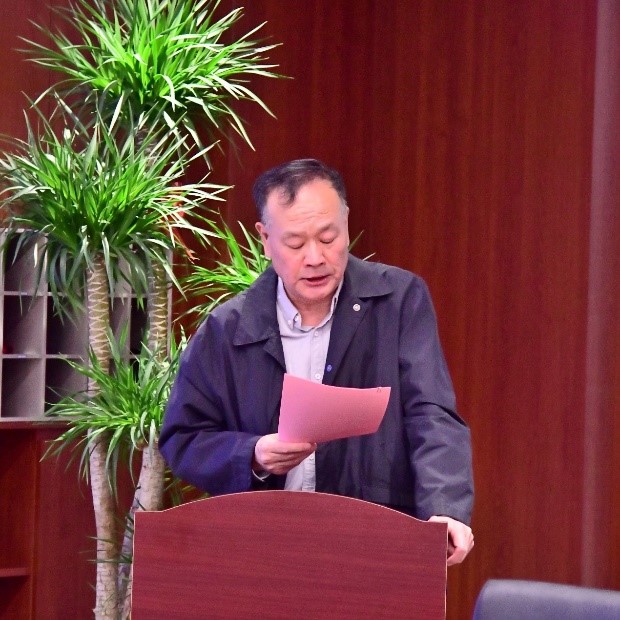
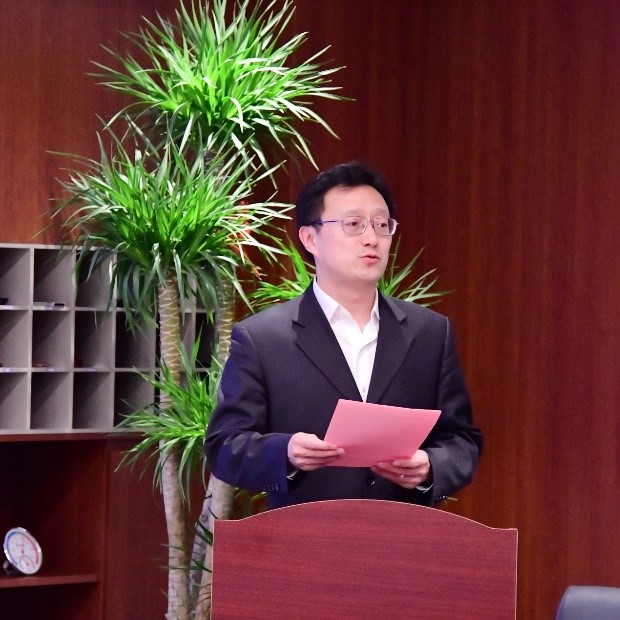
Ma Xibo, Director of the Expert Committee of CCIA Zheng Anyang, Deputy Secretary of the USTB Party Committee
In the presence of the attendees, Han Dong, General Manager of Huatai, and Jiang Zeyi, Deputy Dean of the School of Energy and Environmental Engineering at USTB, signed a Strategic Cooperation Agreement on behalf of their respective parties. The School of Energy and Environmental Engineering at USTB presented letters of appointment to the teaching team of this training program, designating Luo Chunhuan as the program director and Ren Ling as the class instructor, providing a solid faculty and administrative support to ensure the smooth operation of the training program.
Signing Ceremony of the Strategic Cooperation Agreement
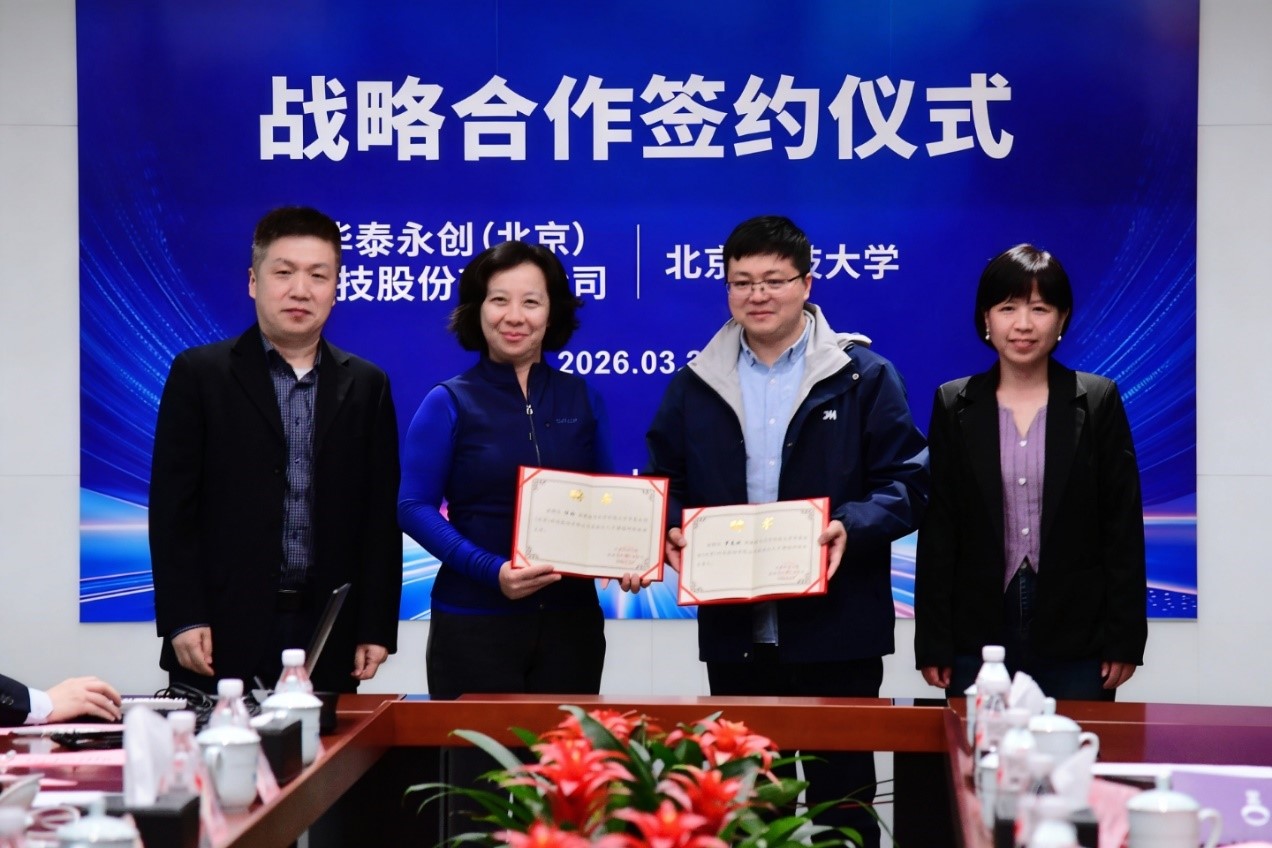
Letters of appointment presented to the teaching team of the training program
Xu Lie, Chairman of Huatai, reviewed the over two decades of cooperation between the two parties. He stated that the company’s development would not have been possible without the long-term support of the USTB, and that this collaboration and training program represent a crucial step in the company’s strategy to “revitalize the enterprise through science and technology and strengthen it through talent.” He added that the company was currently in a critical phase of transformation and upgrading, with an urgent need for high-end talent. The establishment of this training program breaks down the traditional boundaries of university-industry collaboration, achieving a deep integration of theoretical education from the university with the practical needs of the enterprise. He urged all participants to cherish this opportunity, immerse themselves in their studies, transform theoretical knowledge into practical skills, embrace innovation, and take on responsibilities, building themselves into the backbone for corporate development and industry progress. Huatai will also spare no effort in supporting the program, continue to deepen its comprehensive collaboration with USTB, and establish a model for university-enterprise cooperation in cultivating talent.
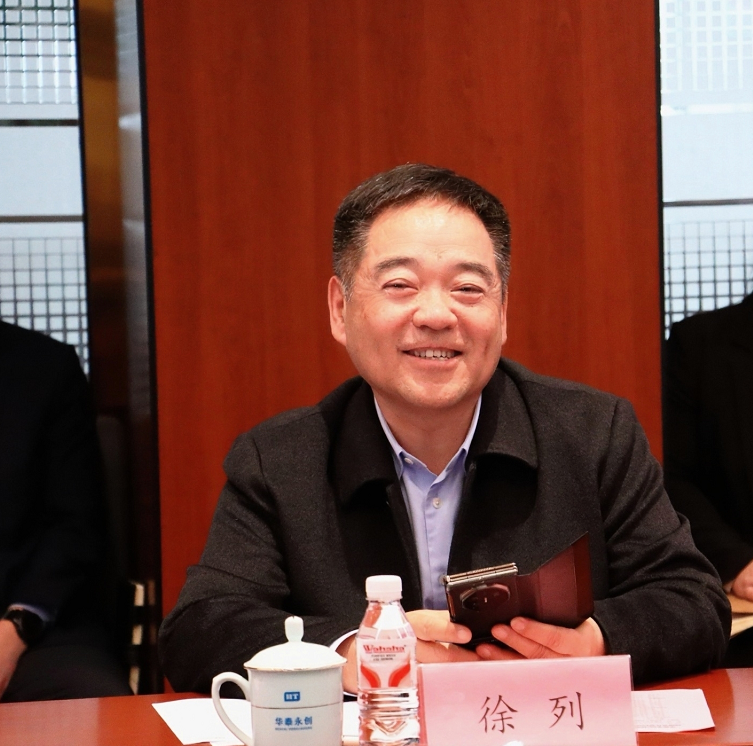
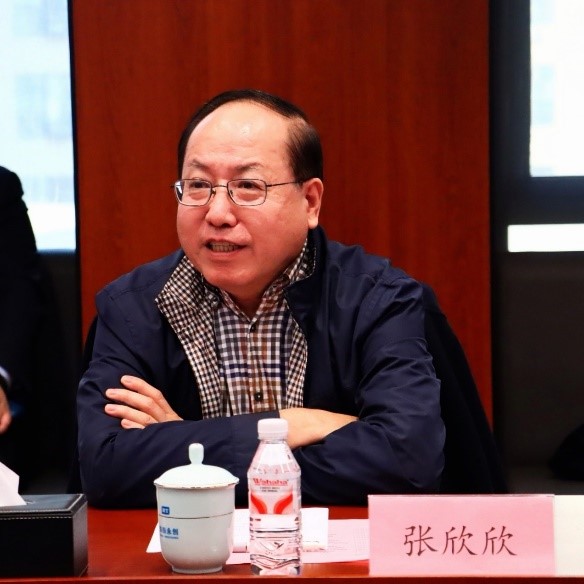
Xu Lie, chairman of Huatai Yongchuang Zhang Xinxin, Former President of USTB
Zhang Xinxin, former president of USTB, used the special date of “March 28” as a starting point to vividly illustrate the significance of reform and innovation. Drawing on his own experiences studying abroad, he made three requests of the trainees: First, they should attend every class attentively to absorb the essence of the instructors’ teaching and practical experience; second, they should cultivate a proactive attitude toward learning, actively engage in research and exchange, and internalize the knowledge for their own further development; third, they should combine learning with practice, balance work and study, and complete their training courses with perseverance. He firmly believed that the trainees will become the backbone for Huatai’s scientific research and innovation and contribute to the development of the coking industry.
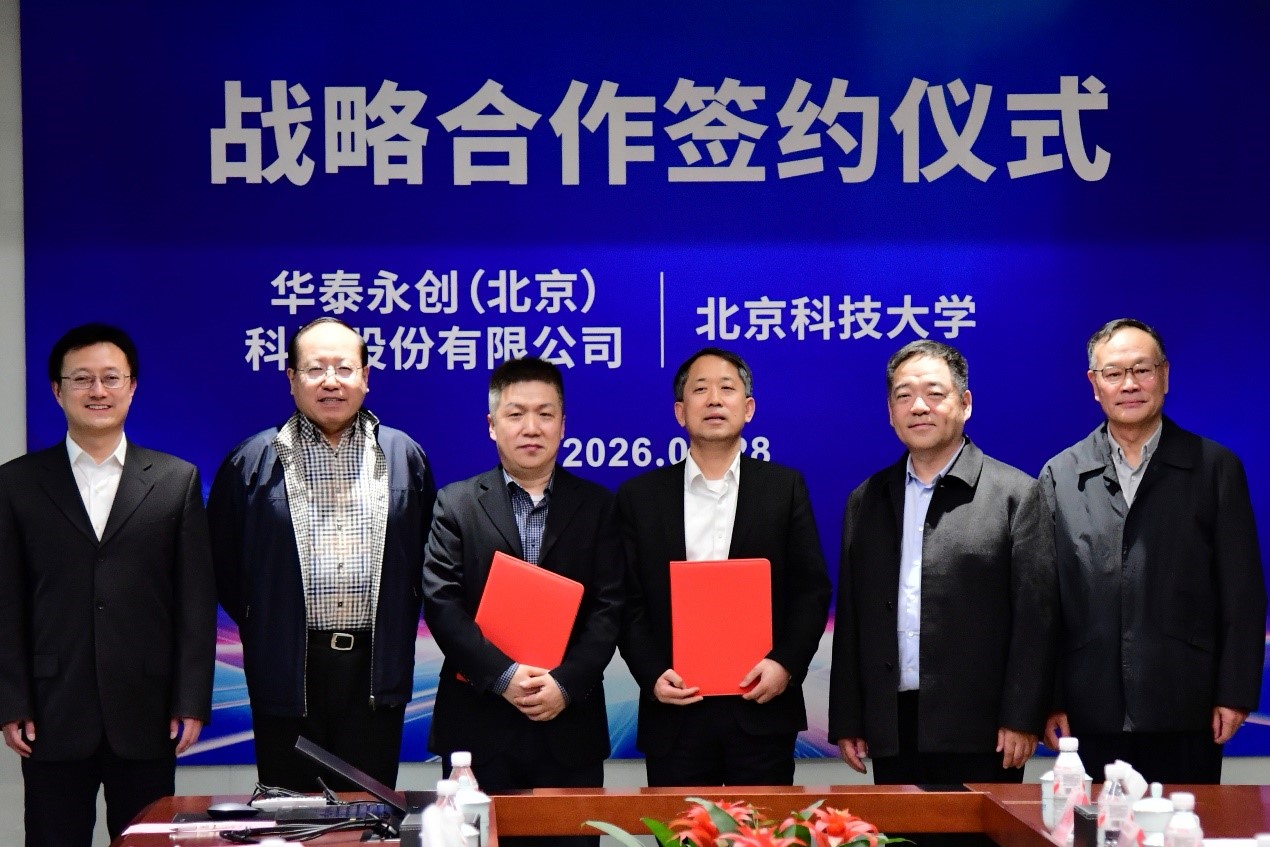
At the conclusion of the ceremony, Chairman Xu Lie officially announced the launch of the Advanced Talent Training Program. All attendees took a group photo to mark the successful conclusion of the signing and launch ceremony.
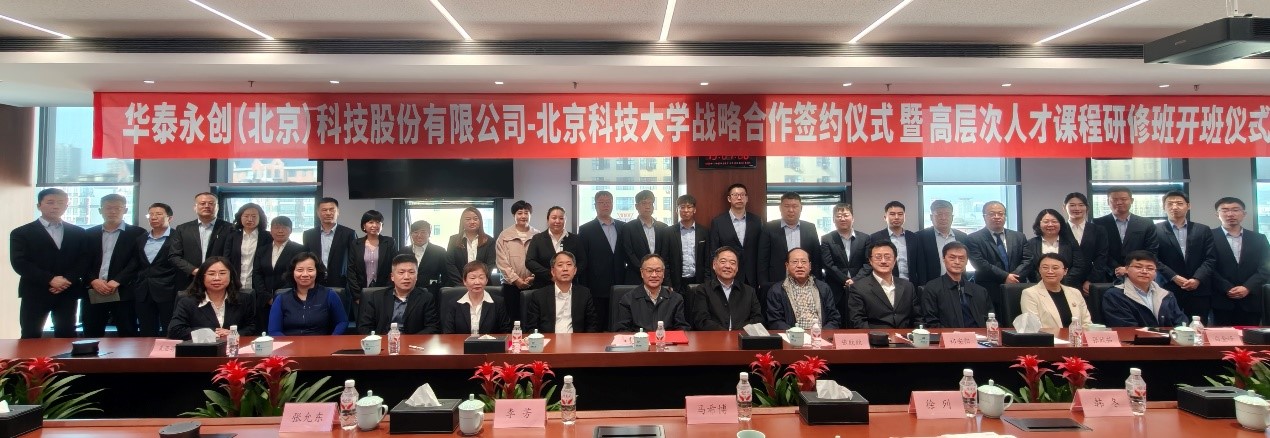
Group Photo for the Ceremony
Moving forward, the two parties will, under the framework of this strategic cooperation agreement, continuously deepen their collaboration in areas such as joint talent development, R&D of core technologies, and the commercialization of scientific and technological achievements. They are committed to establishing a model of university-industry cooperation and leading the coking industry toward a future of advanced manufacturing and green, intelligent, and high-end development.